Facebook photo Facebook_zpsb9654045.jpg twitter photo twitter_zpsd9a3c284.jpg Blogger photo Blogger_zps9f026cb2.jpg Google Plus photo GooglePlus_zpsfbedb5c8.jpg  photo Linkedin_zps91b1f1cb.jpg  photo YouTube_zps2c4bcd4c.jpg RSS photo RSS_zps2a833a27.jpg  photo Flicker_zpsc980af38.jpg  photo Hi5_zps3d6706ab.jpg MyZamana photo MyZamana_zps8a1a510c.jpg
[ Distributor / Stockist of M/s. K-Link Healthcare (India) Ltd.,]
At - Kerala & New Delhi, E-mail: sutharyahealthcares@gmail.com
Showing posts with label KNOW ABOUT - OUR HOMELY PLANTS. Show all posts

Health Benefits of Kacholam OR Galangal?


Often used in Indonesian and Southeast Asian dishes, Australians often discover its distinctive taste after traveling to Bali or Thailand. At a glance, galangal resembles ginger and is a member of the ginger family, but that is where the resemblance ends. What is galangal and does it have any health benefits you should know about?

What is Galangal?

Galangal, sometimes called blue ginger or Siamese ginger, is a member of the Zingiberaceae (ginger) family. Specifically, galangal refers to the rhizome (underground stem) that is used for cooking and medicinal purposes. In Vietnam, it is used in popular Hue dishes; in Thailand and Laos, it is used in making tom yum; in Indonesia, where the plant originates, it is used extensively in a number of dishes. 

The health benefits of galangal have been recognised throughout Asia and Indonesia for centuries. A popular tonic in Southeast Asia when mixed with lime juice, galangal is also used as a digestive aid in Traditional Chinese Medicine and is said to help ease the symptoms of arthritis by many naturopaths and traditional healers. These reported health benefits are reflected in its use in homoeopathy for relief from nausea, diarrhoea, flatulence and rheumatism. 

How to Use Galangal

While galangal looks very much like ginger, it has a distinctively different flavour that is hard to identify until you have tasted it. Some liken it to pepper, while others emphasise its earthy, "perfumy" flavour and citrus scent. Fresh galangal is used like ginger: it can be grated, thinly sliced or crushed. Fresh galangal should snap rather than bend. If you can't find fresh galangal in your local grocery store, you may be able to find it in dried or powdered form. If you use dried galangal, soak it in hot water first to release its flavour.

Once very hard to find in Australian supermarkets, galangal's increasing popularity has made it much easier to find in most major Australian cities. Look for it in the Asian produce section of your supermarket, in oriental grocery stores and in health food stores.


Source:- Various
                 SutharyA Health Cares,

                 sutharyahealthcares@gmail.com

What is Echinacea OR Kariyat?


Botanical Name(s): Andrographis Paniculata
Kingdom: Plantae
Order: Lamiales
Family: Acanthaceae
Genus: Andrographis
Species: A. paniculata
Popular Name(s): Creat, Kariyat
Parts Used: Whole plant leaves
Habitat: Cultivated throughout India

Indian Echinacea is a traditional Indian herb, historically used as support for a healthy immune system. The main compound found in the herb is a diterpene lactone called andrographilide B. It grows vertically to a height of 30-110 cm. The plant thrives in moist and shady places, and grows along glabrous leaves and white flowers, with rose-purple colored spots on the petals. Its stems are dark green in color and have a height of 0.3 - 1.0 m and a diameter of 2-6 mm. Indian Echinacea is found in isolated patches in the tropical Asian countries. It is a versatile medicinal herb, known for its many positive uses for human health.

Plant Chemicals
  • Bitter diterpenoid lactones, especially deoxy-andrographolide, andrographolide and ncoandrographolide have been isolated from the whole plant and leaves.
  • Diterpene dimers
  • Flavonoids, which are available in the roots.
  • The main active constituents and marker compounds (considered to be the andrographolides and andrographis extracts) are often standardized to these compounds.
Uses & Benefits of Indian Echinacea
  • Indian echinacea has been found to be an effective anti-biotic, anti-viral, and anti-parasitic and immune system stimulant.
  • It is used in viral hepatitis, children's bowel complaints, gastric acidity; drug induced liver damage, liver congestion and flatulence.
  • The herb is being increasingly used as treatment for cold. Reasonably good evidence tells us that it can reduce the severity of cold symptoms. It may also help prevent the occurrence of colds.
  • It is also known to promote digestion and serves to protect the liver and the gall bladder. It kills the intestinal worms and supports the intestine.
  • Indian echinacea promotes a healthy heart by preventing blocked arteries and blood clots. It has a bitter taste, which has a cooling effect on the body, good enough to bring down a temperature.
  • In case of a loss of appetite in children, the plant is used to promote hunger. It is also used as a febrifuge, stomachic, tonic, alterative, anthelmintic, antispasmodic etc.
  • The plant is capable of working as an expectorant, serving to promote mucus discharge from the respiratory system.
  • Indian echinacea is a known to be a relaxing herb, though it may not have the same effect as that the accepted herbal sedatives, valerian roots, hop, skullcap, etc.
Caution
  • Indian echinacea plant contains some toxic materials, though the level of toxicity is very low.
  • In some instances, consumption of the plant has resulted in dizziness and heart palpitations.
  • Allergic reactions are also associated with the plant, as put forward by some studies.
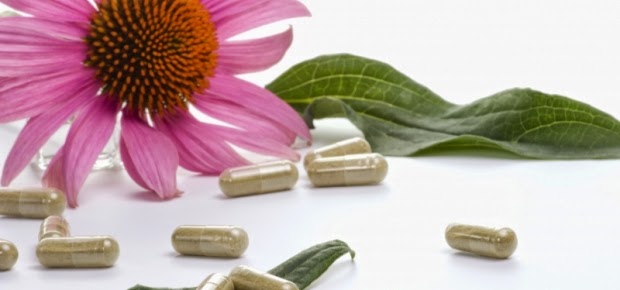
Echinacea is a well known natural remedy that is mainly used for the treatment of colds and flu.  It is a great infection fighter and natural antibiotic.  Read on to learn more about its benefits.

What is Echinacea?

Echinacea is an herbal medicine that is best known for boosting the immune system.  It is also effective for many other things.  Echinacea stimulates the immune functions and promotes T-cell activation.  It helps the body’s white cells to attack the viruses and bacteria that lead to illness or infection.  Research has also found Echinacea to be effective as an antiviral or antifungal.

What can Echinacea be used for?

Echinacea is most famous for its use for colds, coughs, flu and other respiratory conditions but it can also be used for:
  • enlarged lymph glands
  • sore throat
  • urinary tract infections
  • other minor infections
  • may help with herpes and candida
  • wounds, skin regeneration and skin infections when used externally
  • psoriasis, eczema treatments, and inflammatory skin conditions when used externally
  • promoting healing
  • strengthening the immune system
  • ear aches
  • lymph gland problems
When used for colds and flu, studies have shown that Echinacea has effectively reduced the symptoms and duration of the cold or flu.  It will not stop you from catching the cold or flu, but if you take it as soon as you feel the symptoms coming on, it will be much less painful for you.

How Should Echinacea be taken?

Echinacea supplements are available in capsules that contain a powder made from the dried plant or root, as a tincture, in lozenges, extracts, and pills.  In some cases, people may drink the pressed juice from fresh plants.  If Echinacea is being used to treat skin conditions, preparations containing pressed juice are used.
Echinacea is at its most effective when it is used aggressively – that is, a dose on an empty stomach every few hours.  It is even more effective if it is taken with vitamin C which also helps to fight infection.  In general, Echinacea should not be taken for more than 1-2 weeks at a time, as it can lose its effect over time.  Take Echinacea for 1-2 weeks, stop for 1 week and then take it for 1-2 weeks, and so on.  This can be a very helpful preventative strategy throughout the cold and flu season.

Source:- Various
              SutharyA Health Cares,

              sutharyahealthcares@gmail.com

Benefits of Muringa OR Moringa Oleifera


Health benefits of Muringa OR Moringa Oleifera


If what you read below sounds interesting to you do not hesitate to contact me or leave a comment.


Muringa OR Moringa Oleifera is a miracle tree given by God to mother Earth for men and animal.

  • It has 92 Micro nutrients, 
  • 46 Anti Oxidants 
  • 36 Anti-Inflammatories
  • 18 Amino Acids, 9 Essential Amino Acids
  • Chlorophyll
  • Nourishes The Immune System
  • Promotes Healthy Circulation
  • Supports Normal Glucose Levels
  • Natural Anti-Aging Benefits
  • Provides Anti-Inflammatory Support
  • Promotes Healthy Digestion
  • Promotes Heightened Mental Clarity
  • Boosts Energy Without Caffeine
  • Encourages Balanced Metabolism
  • Promotes Softer Skin
  • Provides Relief From Acne
  • Supports Normal Hormone Levels  
The first agent on earth to have Omega 3,6 and 9 together.

You will be further surprised to know that 
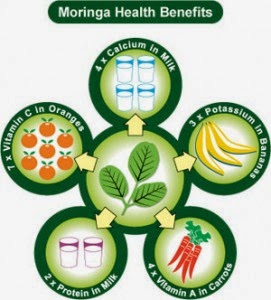
  • it has 9 times more protein than Yoghurt 
  • it has 17 times more calcium than milk 
  • it has 25 times more Iron than Spinach 
  • it has 4 Times more Vit A than Carrot 
  • it has 7 times more Vit C than Oranges....etc.. 
And many more & more benefits. recommended by USFDA, WHO, and 140 Medical health societies of the world.
We invite all human beings to know more about this and use in daily diet and remain disease free, and please to promote Muringa a regular dish in the dining table of every home. 

Also Muringa is very useful for diabetes, ulcer, cancer and kidney problems and joints pain. 


Here are Frequently Asked Questions  about  MORINGA OLEIFERA

Why is moringa called the “Miracle Tree”?: 
There are many health benefits to consuming Moringa, which is why it has earned the title of a super food, and is also sometimes known as The Miracle Tree, or the Tree of LifeMoringa leaves and pods when taken in regularly, will nourish the body with necessary vitamins and minerals. All parts of the moringa tree including leaves, pods, bark, seed, fruits and root has medicinal value. Hence, it was called the ‘Miracle Tree.

Is Moringa oleifera just another dietary fad/super food?
Moringa oleifera has been in use for more than 2,000 years and is a very valued plant for a wide variety of applications. It has been revered for centuries in countries in Asia and Africa for both its healing and nutritive value. It is only now being discovered in western culture as people look to nature for health and treatment. In many third world countries, it continues to form the basis for nutritional programs put into place by charitable organizations. The biggest challenge for Moringa oleifera is the “too good to be true” syndrome. It offers so much, that it is difficult to believe such a simple plant can be so useful.
Q: If it's is so good, how come I haven’t heard of it?
Moringa oleifera is a botanical name and is known by over 200 names in many different countries, which adds to its anonymity. It is usually the product of tropical and sub-tropical countries, where the hardy plant survives well and provides sustenance to native people. As a result, this product hasn’t been commercially farmed and produced on an industrial scale.but has been in the diets of indigenous people of India, Africa and Asia since 15 Bc. However, it is incorporated into many “proprietary” formulas for nutritional supplements and the oil is used in many luxurious cosmetics.

Does moringa have anti-ageing properties?
Moringa is one of the richest sources of antioxidants, with high contents of vitamin A, vitamin C, vitamin E and bio-flavonoid. Active oxygen radicals steal electrons from normal, healthy biological molecules. This electron theft by active oxygen oxidizes tissue and can cause disease. By supplying the body with these nutrients we can find an effective method to block the oxidation of healthy tissue by active oxygen, then we can attempt to delay the ageing process.


Is moringa dried leaf powder more potent than fresh leaves?

When you take a delicate moringa leaf and carefully dry it - amazing things happen.There is significantly higher nutritional value in the moringa dried leaf, in some cases over ten times in specific nutrients when compared to fresh Moringa leaf. Many universities and independent research laboratory analyses have confirmed the higher nutritional values in the dried leaf powder. What's more amazing is gram for gram comparison of moringa to common fruits and vegetables. The nutritional values of moringa's many vitamins, minerals, amino acids, chlorophyll, and anti-aging compounds are higher than it's own fresh leaves.

How effective is Moringa ?

A lot of research has been done about Moringa and has been part of the daily diet of people around the world because of it’s nutritional and medicinal properties. Moringa has saved millions of lives in poor countries where malnutrition is prevalent because of its high nutritive value. Dr. John Hopkins has released a scientific paper regarding some of the medicinal properties of moringa. 


What are known side effects of Moringa?
Moringa is chockfull of vitamins, nutrients, antioxidants, and amino acids. According to the International Organization, Trees for Life, extensive research conducted at the Noguchi Memorial Medical Research Centre in Ghana has found that it's leaf powder has no toxic elements and no side effects were observed even in families consuming high amounts of Moringa.

Dr. Lowell Fuglie, based in Senegal and considered as one of the experts about moringa says that to date there has not been any known negative side effect even in the daily consumption of moringa. 

However, each person is unique and responds differently. If you do suffer any side effects, they may range from mild headaches and upset stomachs, to nausea. This is simply the result of toxins being eliminated from your body. Gradually, these side effects should disappear.
Q: With the accessibility to fresh vegetables in most shops, why is a supplementation from Moringa necessary?
Time, non availability is usually the issue. Gyms, swimming pools and basketball courts abound, but we are more out of shape now than at any time in our history. In an ideal society, we would have the time to cook all of our meals from scratch with fresh vegetables that we can personally vouch for. However, the foods are full of pestcides, chemical fertilizers, growth hormones etc and most of us are so busy in the evenings with after-school activities, homework, travel, and chores, that meals are usually grabbed from the freezer or emptied from a can. As a result, our food is reconstituted, reheated, “enriched”, preserved, and genetically modified. We have only to look at the health of our youth, with a staggering increase in obesity, juvenile diabetes, and autism, to determine that all is not well in the world of nutrition. Our bodies were designed to get our nutrition primarily from plant sources. Balance is the key and Moringa oleifera is a naturally balanced nutritional supplement.


Anti-oxidants: Vitamin A, Vitamin C, Vitamin E, Vitamin K, Vitamin B (Choline), Vitamin B1 (Thiamin) , Vitamin B2 (Rivoflavin), Vitamin B3 (Niacin), Vitamin B6, Alanine, Alpha-Carotene, Arginine, Beta-Carotene, Beta-Sitosterol, Caffeoylquinic Acid, Campesterol, Carotenoids, Chlorophyll, Chromium, Delta 5- Avenasterol, Delta 7 Avenasterol, Glutathione, Histidine, Indole Acetic Acid, Indoleacetonitrile, Kaempferal, Leucine, Lutein, Methionine, Myristic-Acid, Palmitic Acid, Prolamine, Proline, Quercitin, Rutin, Selenium, Threonine, Tryptophan, Xanthins, Xanthopyll, Zeatin, Zeaxanthin, Zinc.


Anti-Inflammatory Compounds: Vitamin A, Vitamin B1, Vitamin C, Vitamin E, Arginine, Beta-Sistosterol, Caffeoylquinic Acid, Calcium, Chlorophyll, Copper, Cystine, Omega 3, Omega 6, Omega 9, Fiber, Glutathione, Histidine, Indole Acetic Acid, Indoleacetonitrile, Isoleucine, Kaempferal, leucine, Magnesium, Oleic-Acid, Phenylalanine, Potassium, Quercitin, Rutin, Selenium, Stigmasterol, Sulfur, Tryptophan, Tyrosine, Zeatin, Zinc.


There are over 46 antioxidants and 36 anti-inflammatory compounds all naturally occurring in the moringa plant. That is why it is referred to as the best natural source of anti-oxidants.


What are the vitamins and minerals present in Moringa?

Vitamins: Vitamin A (Alpha and Beta Carotene), B, B1, B2, B3, B5, B6, B12, C, D, E, K, Folate (Folic Acid), Biotin and much more.

Minerals: Calcium, Chloride, Chromium, Copper, Fluorine, Iron, Manganese, Magnesium, Molydenum, Phosphorus, Potassium, Sodium, Selenium, Sulfur, Zinc.

Amino acids: Isoleucine, Leucine, Lysine, Methionine, Phenylalanine, Threonine, Tryptophan, Valine, Alanine, Arginine, Aspartic Acid, Cystine, Glutamine, Glycine, Histidine, Proline, Serine, Tyrosine.

Other nutrients: Chlorophyll, Carotenoids, Cytokins, Flavonoids, Omega 3,6 9 oils, Plant Sterols, Polyphenols, Lutein, Xanthins, Rutin and many more.

How does moringa act as detoxifier?
Moringa seeds are well known for its use to purify dirty water. Moringa seeds when mixed with impure water will absorb all the impurities. In the similar process, moringa attracts the toxins from the blood and removes and excrete toxic build up.

Can moringa supplements be taken with other prescriptions?
Moringa supplements is a 100% natural product made from the parts of the Moringa tree. People in India are taking moringa for hundreds of years as a staple food and have not reported any problem since then. However, we suggest you to consult with your physician whether you can take these supplements along with other prescription medicines.

What is the best method to take the Moringa powder?
The best way is to mix it with a glass of pure orange/lemon juice or warm water. A teaspoon of moringa powder mixed in a glass of orange juice will give you a wholesome drink filled with nutrients. It can also be mixed in porridge, smoothie, yorghurt, soup, or added to food.

How much Moringa  should I take a day?
The suggested daily intake is 3-4 teaspoons a day. Best before meals or sprinkled on all kinds of moderately hot beverages and food. AVOID COOKING MORINGA AS THESE DENATURES THE VITAMINS which are easily destroyed by heat.
Can moringa be taken by children and Expectant mothers?
It is a completely safe and natural product, which contains ingredients that the growing child and expectant mom needs.  The body will recognize and readily assimilate the natural nutrients.  It is one of the few plants that can be consumed by the entire family, infant to the old. In fact the World Health Organization recommends feeding malnourished infants and children Moringa on a daily basis.  Research shows that lactating mothers have increased milk flow when  they consume moringa.

How is Moringa better than other nutritional supplements available in the market?

Most of the multivitamin and calcium supplements available in the market are made using synthetic ingredients. The human body absorbs very minimal nutrients supplied through the synthetic supplements. However, moringa leaves and pods are natural sources of calcium and multivitamins and their processing method also enhances the bio-availability of the nutrients. Further more Moringa’s rich portfolio of both minerals and vitamins forms a wholesome synergy that aids in the best levels of assimilation of minerals.


Bio-availability of Whole Plant Minerals:
  • Calcium - Up to 8.79 times more bio-available;
  • Chromium - Up to 25 times more bio-available;
  • Copper - 1.85 time more retained in the liver;
  • Iron - 1.77 times more absorbed into blood;
  • Magnesium - Up to 2.20 times more bio-available;
  • Manganese - 1.63 times more retained in the liver;
  • Molybdenum - 16.49 times more absorbed into blood;
  • Selenium - Up to 17.60 times the antioxidant effect;
  • Zinc - 6.46 times more absorbed into blood.
And Finally.......

What are the health benefits of Moringa?-
Daily consumption of the MORINGA yields the following health benefits:
  •      Antioxidants
  •      Nourishes Body’s Immune System
  •      Promotes Healthy Circulatory System
  •      Anti-Inflammatory
  •      Provides a Sense of Well-Being
  •      Supports Normal Blood Glucose Levels
  •      Promotes Healthy Digestion
  •      Increases Energy
  •      Enhances Skin Health
  •      Promotes Normal Liver Function
  •      Reduces the Appearance of Wrinkles
  •      Promotes Normal Serum Cholesterol
  •      Promotes Healthy Cell Structure
  •      Nourishes the Eyes and Brain
  •      Triggers Metabolism
  •      Promotes Body’s Natural Defences
Source:-  Various
           SutharyA Health Cares,
           sutharyahealthcares@gmail.com

Health benefits of Ginseng


The herb ginseng has been used for thousands of years to improve people’s overall health. Read on to learn more about the benefits that it can have for you.

Types of Ginseng

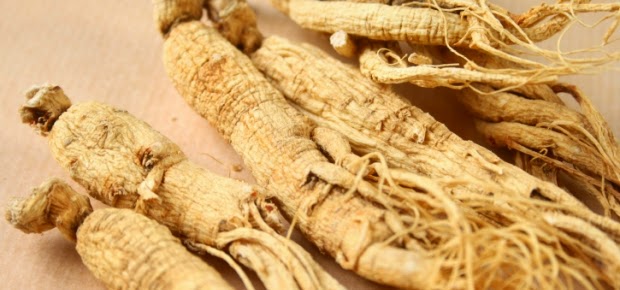
The term ginseng refers to the species within Panax, a genus of 11 species of slow growing perennial plants with fleshy roots, in the family Araliaceae. These plants grown in eastern Asia, typically in cooler climates. The two major species are American ginseng (grown in the Midwest of America and exported to China) and Asian ginseng. Ginseng is known to be an adaptogen – adaptogens are substances that help the body to restore itself to health and to work without side effects.

Siberian ginseng is actually not a ginseng at all. It is another adaptogenic herb with a woody root rather than a fleshy root. Unlike true ginsengs, it contains eleutherosides instead of ginsenosides.

Uses and Benefits of Ginseng

Ginseng can be used to improve the health of people recovering from illness. It increases a sense of well-being and stamina, and improves both mental and physical performance. Ginseng can be used to help with erectile dysfunction, hepatitis C, and symptoms relating to menopause, and can also be used for lowering blood glucose levels and controlling blood pressure.

Ginseng has been shown to reduce the levels of stress in both men and women. Those that take ginseng regularly are able to withstand higher amounts of physical and emotional stress.

The root of Asian ginseng contains several active substances called ginsenosides or panaxosides that are thought to be responsible for the medicinal effects of the herb. Asian ginseng is “warming” while American ginseng is “cooling”.

Because of its adaptogenic effects, it is widely used to lower cholesterol, increase energy and endurance, reduce fatigue and the effects of stress, and prevent infections. Ginseng is one of the most effective anti-aging supplements, with the capability of alleviating some major effects of aging such as degeneration of the blood system, and increasing mental and physical capacity.

Siberian ginseng is well known for its ability to fight fatigue and ward off colds and flu.

Recommended Dosage for Ginseng

Ginseng comes in a range of forms including tablets, capsules, softgel, powder, extracts, teas, and creams.

When choosing a ginseng supplement, look for one that is made with high quality ingredients, and that has been processed as little as possible. Ensure that the supplement has at least 7 percent ginsenosides. Start at the lower end of the dosage range and slowly increase your intake.

Potential Side Effects of Ginseng

Ginseng is usually a very well-tolerated herb when it is taken by mouth. The most common side effects are headaches and sleep and gastrointestinal problems. Be aware that ginseng can cause allergic reactions. With ginseng, the ability to concentrate may be decreased and blood sugar may decrease to abnormally low levels. Because ginseng has an estrogen-like effect, pregnant or breastfeeding women should not take it.

American and Asian ginsengs are stimulants and can cause nervousness or sleeplessness. Other reported side effects include high blood pressure, insomnia, restlessness, anxiety, euphoria, diarrhea, vomiting, headache, nosebleed, breast pain, and vaginal bleeding. 

Siberian ginseng can cause nervousness or restlessness in some people and, in rare cases, may cause diarrhea. This form of ginseng is not recommended for people with high blood pressure. If taken too close to bedtime, Siberian ginseng may cause insomnia.


Source:-  Various
                 SutharyA Health Cares,
                 sutharyahealthcares@gmail.com

Benefits of Brahmi?


Brahmi is a native Indian herbal remedy that may be used to treat a variety of medical conditions, especially those related to cognitive ability.
It is also known as:
  • Bacopa monneiri (Botanical name)
  • Water hyssop
  • Indian pennywart
  • Coastal waterhyssop
  • Thyme-leaf gratiola
The Brahmi plant consists of stemmed leaves that are thick and crinkled and arranged in opposing patterns. It is also a “creeping herb” that flourishes in bogs and muddy wetlands. Traditionally Brahmi was grown in India but can now be found in the marshy wetlands of Nepal, Sri Lanka, Vietnam, China, Central America and even Florida in the USA.

The Properties of Brahmi


Brahmi is loaded with antioxidants and carries a number of substances that stimulate neurotransmitter function in the brain. It is considered a brain and nerve tonic and consists of main active substances:

  • Bacoside A, which relaxes the aorta and veins that stimulates circulation and allows blood to flow more smoothly.
  • Bacoside B, which is a protein that nourishes brain nerve cells.


Physiologically, Brahmi works to restore the frontal cortical receptor activities, and reduces the excessive amount of Tribulin in the brain that is often caused by for anxiety. It also acts as a natural sedative/tranquilizer, and stimulates brain dopamine receptors that are often inactive in disease states such as Parkinson’s or Depression.

The Benefits of Brahmi


Brahmi may prove beneficial in the treatment of many medical conditions and diseases. Some of these include:
  • Parkinson’s Disease
  • Anxiety disorder
  • PTSS (Post Traumatic Stress Disorder)
  • ADD (Attention Deficit Disorder)
  • Alzheimer’s disease
  • Bronchitis
  • Asthma
  • Coughs
  • Arthritis
  • Arthritis and joint aches
  • IBS (Irritable Bowel Syndrome)
  • Hair loss
  • Stress
  • Post-natal depression
  • Irregular menstruation
  • Epilepsy
  • Boils
  • Ulcers
  • Chronic skin conditions
  • Fluid retention
  • Mental and physical fatigue
The different chemical properties of Brahmi combine to produce benefits such as:
  • Enhanced learning, academic and mental capabilities.
  • Feeling of calmness and sedation
  • Reduction of anxiety and feeling of stress and depression
  • Increased clarity of thought
  • Improved short and long-term memory and concentration capability.
  • Reduced tension in the muscles
  • Improved insomnia
  • Assists with smooth digestion
  • Reduces symptoms of asthma
  • Calms skin disease and irritation
  • May alleviate symptoms of ADD in children
  • May slow down the signs of ageing and promote longevity
  • Body detoxification
  • Stimulation of hair and nail growth
Whilst it will vary from person to person, the beneficial effects of Brahmi should be seen within a 3-4 week period. Please be careful to follow the advice of your local Naturopath or Ayurvedic practitioner as extremely large doses may cause toxicity and result in death.

Source:-  Various
                 SutharyA Health Cares,
                 sutharyahealthcares@gmail.com

Benefits of Irumbanpuli OR A . CARAMBOLA


Name [Malayalam]: 
Chaturappuli, Irumbanpuli, Karappola
Name [English]:
Carambola Apple, Karazola, Coromandal Gooseberry, Star Fruit
Hindi:
Kamarang
Tamil:
Tamarattai
Sanskrit:
Karmaranga, Karuka

Ayurvedic:
Karmaranga
Unani:
Khamraq, Karmal
Siddha:
Tamarattai
Folk:
Kamarakh

Int'l Name:
AVERRHOA CARAMBOLA
Botanical Name:
Averrhoa carambola Linn
Chinese:
Gooseberry
Family:
Oxalidaceae; Averrhoaceae.
Habitat:
Native to Malaysia


Distribution:             Cultivated in throughout the many warmer-parts of India,

                                     especially in Kerala.

AYURVEDIC PROPERTIES:

 
Rasa:  Amla 
Guna: Guru, Snigdha
Virya:  Ushna

PLANT DESCRIPTION: 

A small evergreen plant grows up to 10 meters in height. Leaves compound, alternate, with leaflets 5-11, acute; flowers purple in short racemes, axillary, fruits 5 angles, yellowish fleshy berries, contain arillate seeds.
      
MEDICINAL PROPERTIES:
 
Plant pacifies vitiated kapha, pitta, skin diseases, poison, pruritus, worm infestations, diarrhea, vomiting, hemorrhoids, intermittent fever, over perspiration and general debility. 

Useful Parts:    Leaves, Fruits and Roots. 

Action:-
Root-
Antidote in Poisoning.

Leaf and shoot-
Applied externally in ringworm, Scabies,

Flower-
Chickenpox - vermicidal.

Fruit-
Laxative, Anti-dysentric, Anti-phlogistic, Febrifuge, Anti-inflammatory, Antispasmodic (used in hepatic colic, bleeding piles).

Seeds-
Galactogenic; in large doses act as an emmenagogue and cause abortion.


The fruits are a fairly good source of iron but deficient in calcium. They also contain oxalic acid and potassium oxalate. The presence of fluorine is also reported. A wide variation of Vitamin-C content (1.2–2.5 mg/100 g) is recorded from different places in India.

=====0oo0=====

Source: Various
                SutharyA Health Cares
                sutharyahealthcares@gmail.com

Benefits of Tulsi [The Holy Basil]


In India, the herb Tulsi also called holy basil (sometimes spelled "Tulasi") has been widely known for its health promoting and medicinal value for thousands of years. Commonly called sacred or holy basil, it is a principal herb of Ayurveda, the ancient traditional holistic health system of India. Holy basil is also known as "The Incomparable One", "The Mother Medicine of Nature", and "The Queen of Herbs".


Tulsi's Botanical Identity: 

Tulsi is identified by botanists primarily as Ocimum sanctum (Rama and Krishna Tulsi varieties) or more recently Ocimum tenuiflorum, and Ocimum gratissimum (Vana Tulsi variety). Belonging to the Lamiaceae / Labiatae mint family, these and other closely related species and varieties (e.g., Ocimum canum) are cousins of the familiar sweet basil cooking herb Ocimum basilicum. In parts of India, all of the basils are honoured as Tulsi.

Tulsi - Ancient Wisdom for Today's World! 


Basils are native to tropical Asia, likely having originated in India. Robust Tulsi varieties readily grow wild in many areas of Asia and Africa. Tulsi is a bushy perennial shrub, usually cultivated annually from seed, although it can also be propagated from tip or root cuttings.
Tulsi's Chemistry:
The chemical composition of Tulsi is highly complex, containing many nutrients and other biologically active compounds, the proportions of which may vary considerably between strains and even among plants within the same field.
Peacocks in Krishna Tulsi fields

The nutritional and pharmacological properties of the whole herb in its natural form, as it has been traditionally used, result from synergistic interactions of many different active phytochemicals. Consequently, the overall effects of Tulsi cannot be fully duplicated with isolated compounds or extracts. Because of its inherent botanical and biochemical complexity, Tulsi standardization has, so far, eluded modern science. Perhaps best known of the many active compounds that have been identified and extracted are eugenol (an essential oil) and ursolic acid.  Although Tulsi is known as a general vitalizer and increases physical endurance, it contains no caffeine or other stimulants.


Benefits Of Tulsi:

The research offers impressive evidence that Tulsi protects against and reduces stress, enhances stamina and endurance, increases the body's efficient use of oxygen, boosts the immune system, slows aging, and provides a rich supply of antioxidants and other nutrients. These general vitality-enhancing properties, which support and enhance the body's natural capacity to maintain a state of well-being, likely account for much of the impressively wide range of Tulsi traditional health promoting uses. Amongst its array of more specific effects, the data indicate that Tulsi reduces inflammation, prevents gastric ulcers, protects against radiation, lowers fevers, cholesterol and high blood pressure, enhances periodontal health, displays significant natural antibacterial, antiviral and antifungal activity, improves digestion and absorption of other nutrients, and even repels mosquitoes and other potentially harmful insects. It would appear that Tulsi offers remarkable preventative and curative potential with respect to many degenerative disorders, such as cancer, heart disease, arthritis, diabetes and neurological dementia.

15 Benefits of the Holy Basil (Tulsi)
The tulsi or holy basil is an important symbol in the Hindu religious tradition and is worshiped in the morning and evening by Hindus at large. The holy basil is also a herbal remedy for a lot of common ailments. Here're top fifteen medicinal uses of tulsi.

1. Healing Power: The tulsi plant has many medicinal properties. The leaves are a nerve tonic and also sharpen memory. They promote the removal of the catarrhal matter and phlegm from the bronchial tube. The leaves strengthen the stomach and induce copious perspiration. The seed of the plant are mucilaginous.

2. Fever & Common Cold: The leaves of basil are specific for many fevers. During the rainy season, when malaria and dengue fever are widely prevalent, tender leaves, boiled with tea, act as preventive against theses diseases. In case of acute fevers, a decoction of the leaves boiled with powdered cardamom in half a liter of water and mixed with sugar and milk brings down the temperature. The juice of tulsi leaves can be used to bring down fever. Extract of tulsi leaves in fresh water should be given every 2 to 3 hours. In between one can keep giving sips of cold water. In children, it is every effective in bringing down the temperature. 

3. Coughs: Tulsi is an important constituent of many Ayurvedic cough syrups and expectorants. It helps to mobilize mucus in bronchitis and asthma. Chewing tulsi leaves relieves cold and flu. 

4. Sore Throat: Water boiled with basil leaves can be taken as drink in case of sore throat. This water can also be used as a gargle. 

5. Respiratory Disorder: The herb is useful in the treatment of respiratory system disorder. A decoction of the leaves, with honey and ginger is an effective remedy for bronchitis, asthma, influenza, cough and cold. A decoction of the leaves, cloves and common salt also gives immediate relief in case of influenza. They should be boiled in half a liter of water till only half the water is left and add then taken. 

6. Kidney Stone: Basil has strengthening effect on the kidney. In case of renal stone the juice of basil leaves and honey, if taken regularly for 6 months it will expel them via the urinary tract. 

7. Heart Disorder: Basil has a beneficial effect in cardiac disease and the weakness resulting from them. It reduces the level of blood cholesterol. 

8. Children's Ailments: Common pediatric problems like cough cold, fever, diarrhea and vomiting respond favorably to the juice of basil leaves. If pustules of chicken pox delay their appearance, basil leaves taken with saffron will hasten them. 

9. Stress: Basil leaves are regarded as an 'adaptogen' or anti-stress agent. Recent studies have shown that the leaves afford significant protection against stress. Even healthy persons can chew 12 leaves of basil, twice a day, to prevent stress. It purifies blood and helps prevent several common elements. 

10. Mouth Infections: The leaves are quit effective for the ulcer and infections in the mouth. A few leaves chewed will cure these conditions. 

11. Insect Bites: The herb is a prophylactic or preventive and curative for insect stings or bites. A teaspoonful of the juice of the leaves is taken and is repeated after a few hours. Fresh juice must also be applied to the affected parts. A paste of fresh roots is also effective in case of bites of insects and leeches. 

12. Skin Disorders: Applied locally, basil juice is beneficial in the treatment of ringworm and other skin diseases. It has also been tried successfully by some naturopaths in the treatment of leucoderma. 

13. Teeth Disorder: The herb is useful in teeth disorders. Its leaves, dried in the sun and powdered, can be used for brushing teeth. It can also be mixed with mustered oil to make a paste and used as toothpaste. This is very good for maintaining dental health, counteracting bad breath and for massaging the gums. It is also useful in pyorrhea and other teeth disorders. 

14. Headaches: Basil makes a good medicine for headache. A decoction of the leaves can be given for this disorder. Pounded leaves mixed with sandalwood paste can also be applied on the forehead for getting relief from heat, headache, and for providing coolness in general. 

15. Eye Disorders: Basil juice is an effective remedy for sore eyes and night-blindness, which is generally caused by deficiency of vitamin A. Two drops of black basil juice are put into the eyes daily at bedtime. 

So My request to all of you are..... don't remove and throw Tulsi from your home's yard / garden etc. etc....

DISCLAIMER: These are only general guidelines as a first aid. It is always better to see a doctor depending upon the intensity of the case. The views expressed above are entirely those of the concerned authors.

Source:-  Various
                 SutharyA Health Cares,
                 sutharyahealthcares@gmail.com